
Understanding the psychology behind gambling Why we take risks in casinos
The Allure of Risk and Reward
The intricate psychology behind gambling begins with the allure of risk and reward. People are naturally drawn to the thrill of taking chances, often spurred by the possibility of substantial gains. This excitement triggers dopamine release in the brain, creating a pleasurable sensation that reinforces the behavior. The anticipation of winning can overshadow the potential for loss, making the act of gambling enticing and difficult to resist. Many players enjoy a variety of games and frequently turn to casino online platforms to explore their options.

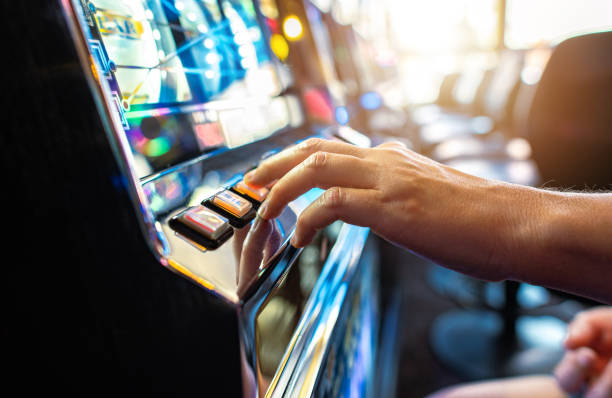
Furthermore, the environment of a casino is meticulously crafted to amplify this sensation. Bright lights, engaging sounds, and free drinks create an atmosphere that heightens excitement. The design encourages players to lose track of time and money, further entrenching the connection between the thrill of risk and the psychological reward that comes with it. This sensory overload plays a crucial role in why individuals take risks in casinos.
Understanding this connection is essential in comprehending why people gamble. The momentary euphoria that accompanies a win can be addictive, fostering a cycle where individuals continually seek that high. This cyclical nature of risk and reward can lead to repetitive gambling, often blurring the lines between entertainment and compulsion. The psychological mechanisms at play are vital for both players and industry stakeholders to recognize and address.
The Role of Cognitive Biases
Cognitive biases significantly shape the gambling experience, influencing decision-making processes. One common bias is the “gambler’s fallacy,” where individuals believe that past outcomes affect future events. For instance, a player might think that a slot machine is “due” for a win after a series of losses, leading them to continue playing despite statistical odds. This misinterpretation of probability can encourage prolonged play and increased financial risk.
Another prevalent cognitive bias is the illusion of control, where players overestimate their ability to influence game outcomes. Many gamblers believe that certain strategies or rituals can alter their chances of winning. This belief not only fuels their desire to continue gambling but also reinforces the idea that skill is a factor in games largely determined by chance. Such biases can trap players in a cycle of risk-taking behavior, making it challenging to walk away.
Understanding these cognitive biases helps elucidate the complexities of gambling psychology. It reveals how the human brain can misinterpret risk and reward, leading individuals to make irrational decisions. By recognizing these biases, both players and mental health professionals can work towards more responsible gambling behaviors and informed choices, potentially reducing the associated risks.
The Social Dynamics of Gambling
The social environment surrounding gambling plays a crucial role in influencing individual behavior. Casinos often serve as social hubs where friends gather to enjoy games and entertainment. This communal experience can enhance the excitement and perceived value of gambling. The shared thrill of risk-taking creates bonds among players, further driving individuals to engage in gambling activities.
Moreover, social interactions can lead to a phenomenon known as “social reinforcement,” where individuals are encouraged to gamble more as they observe their peers doing so. This can create a sense of belonging and acceptance within a group, pushing individuals to take risks they might otherwise avoid. Casinos often capitalize on this dynamic, promoting a sense of community to encourage increased patronage.
Recognizing the social factors that contribute to gambling behavior is essential for understanding why individuals take risks. The combination of excitement and community can reinforce gambling habits, sometimes leading to adverse consequences. By addressing these social dynamics, stakeholders in the gambling industry can promote responsible gaming practices and foster healthier gambling environments.
The Impact of Emotion on Gambling Decisions
Emotion plays a pivotal role in gambling behavior, influencing decisions and risk-taking tendencies. Many gamblers experience heightened emotions, ranging from exhilaration during wins to frustration during losses. These emotional states can cloud judgment, often resulting in impulsive decisions that deviate from rational thinking. The interplay of emotions can lead to riskier behaviors, as players seek to reclaim losses or chase after wins.
In addition, the emotional highs of winning can create a powerful desire to continue gambling. The positive reinforcement from wins can lead individuals to disregard the potential risks, fueling a cycle of behavior that is difficult to break. This phenomenon is often seen in individuals who develop gambling addictions, where emotional states dictate gambling frequency and intensity.
Understanding the emotional aspect of gambling is crucial for both players and industry professionals. By recognizing how emotions drive decision-making, strategies can be developed to promote healthier gambling habits. This includes encouraging breaks during play, offering support for those struggling with emotional responses, and fostering environments that prioritize mental well-being in gambling contexts.
Casino123.com: A Responsible Gaming Environment
Casino123.com is dedicated to providing an engaging gaming experience while promoting responsible gambling practices. Recognizing the psychological factors that contribute to gambling behavior, the platform is committed to creating a secure environment for both seasoned players and newcomers. By offering informative resources and support, Casino123.com aims to empower users to make informed decisions while enjoying their gaming experiences.
In addition to providing a wide range of games, the platform emphasizes the importance of responsible gaming. Casino123.com incorporates features that encourage users to set limits on their spending and playtime, fostering a healthier relationship with gambling. These initiatives demonstrate a commitment to user well-being, highlighting the platform’s understanding of the complexities surrounding gambling psychology.
Ultimately, Casino123.com strives to create a safe and enjoyable environment for its users. By addressing the psychological aspects of gambling and promoting responsible practices, the platform aims to contribute positively to the gaming community while ensuring that entertainment remains the primary focus. This approach underscores the platform’s dedication to delivering high-quality entertainment and support to its users, even in challenging times.